Buying a property in Mallorca is rarely a purely real estate decision. In most cases, it reflects a life project, a long-term asset, and a particular way of living. The island brings together many of the attributes that attract international buyers, from contemporary villas and urban apartments to traditional fincas and village houses. At the same time, it is a sophisticated and competitive market with important local nuances. For that reason, buying well in Mallorca is not only about finding an attractive property but also about understanding how the process works and which factors truly determine a good decision.
The difference between a correct purchase and a well-judged one is rarely visible during the first viewing. It lies in what happens before and after. It means understanding whether an area suits you in February, not only in August. It means assessing whether the orientation will deliver the light you expect throughout the year, whether privacy is genuine, and whether the property is consistent from a registry and planning perspective. It also involves verifying documentation and understanding whether the price reflects underlying value or simply demand. Mallorca rewards buyers who arrive informed and ask the right questions from the outset. This is precisely where a local buyer’s agency can add clarity, reduce friction, and help avoid costly mistakes.

A Property Buyer’s Agency at your service!
Avoid the common mistakes many buyers make when buying a property in Mallorca. Make SMARTER decisions. Save Money. Optimise your Time.
Buying well in Mallorca starts before viewing properties
Many buyers arrive with a clear visual idea: a stone house among almond trees, an elegant apartment in Palma, a villa with open sea views, or a penthouse near the old town. While these aspirations are valid, it is advisable to establish the logic of the purchase before focusing on aesthetics. The key question is not only what you like but also what you intend to use the property for.
A second home for short stays requires a different approach from a property intended for long periods or year-round living. Likewise, a buyer prioritising remote work will evaluate differently from someone focused on future resale or capital preservation. In Mallorca, a well-aligned purchase is one that reflects its real use from the beginning.
Choosing the right area is choosing how you want to live Mallorca
One of the most important decisions is not the property itself, but the lifestyle it enables. Some buyers prioritise urban life, restaurants, services, and cultural activity. Others value privacy, land, and distance. Many look for a balanced combination of accessibility, quality surroundings, and year-round usability.
Before viewing properties, it is worth defining what kind of life you want on the island. If walkability, culture, and daily activity matter, a consolidated urban area may be more appropriate. If your priority is tranquillity, open views, and outdoor space, less urban locations may be more suitable. And if the purchase combines lifestyle with long-term asset value, micro-location becomes more important than property type.
In Mallorca, two properties at a similar price can perform very differently over time for reasons that are not immediately visible. Access, orientation, seasonal noise, build context, proximity to services, and ease of use throughout the year all carry significant weight. This is where local knowledge becomes a strategic advantage.
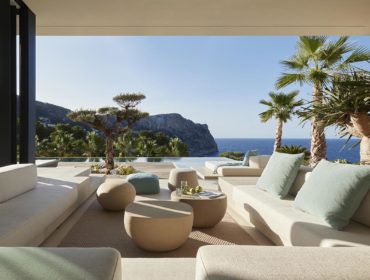
Which one of these 34 beautiful places will you call home?
Find the best place to live on Mallorca. Get to know the unique characteristic of each region and which town or village could fit perfectly with your wishes.
Micro-location matters more than the headline of the listing
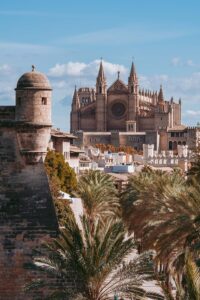 Properties are often marketed under broad labels such as Palma, Pollensa, Andratx, Deià, Santa Ponsa, or Sóller. In practice, the decision is usually made at a much more granular level. The street, orientation, slope, access, real walking distances, surrounding buildings, parking, and exposure to wind all influence the experience of living in a property.
This is particularly relevant in Mallorca, where many buyers purchase from abroad. A property that appears ideal in photographs can lose practical value when analysed in detail.
Before falling in love with the property, review the documentation
One of the most effective ways to reduce risk is to change the natural order of the buying process: verify first and commit afterwards. This means carrying out an initial level of due diligence before taking on financial exposure.
At this stage, the nota simple, land registry information, and documentary checks are not formalities; they are essential. Understanding the legal reality of the property is fundamental. It is also important to understand the role of the notary correctly. While the public deed is central to the transaction, it does not replace planning or technical verification.
Planning in Mallorca: what looks clear is not always so
A common assumption is that if a property exists and is in use, its planning status is fully compliant. This is not always the case. Older properties, rural homes, or houses that have been extended over time may present discrepancies between physical reality, plans, registry records, and current regulations.
For international buyers, this is a critical point. If you intend to renovate, extend, or simply understand the future potential of a property, urban planning considerations must be addressed early. They form a central part of the asset’s value.
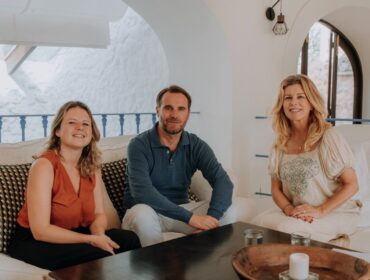
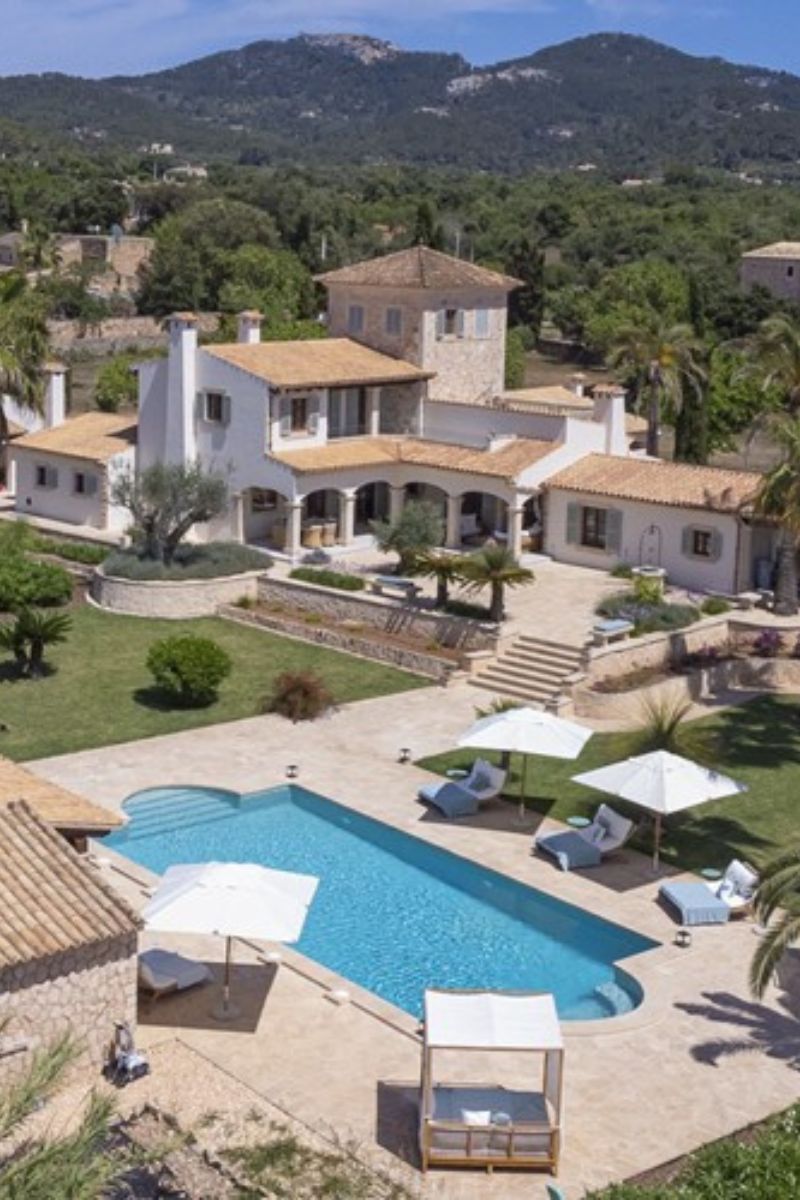
How a Property Buyer’s Agent made relocating the family easy!
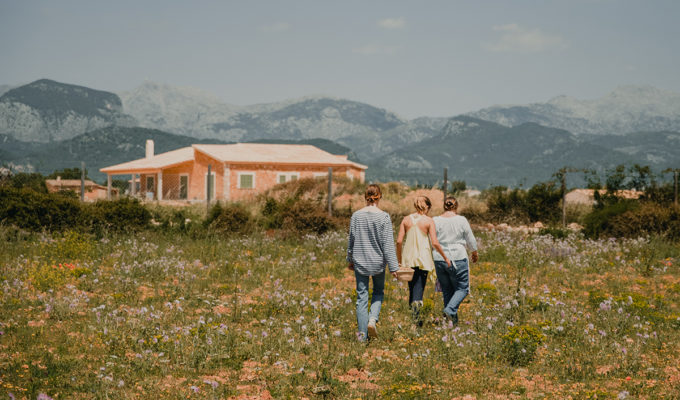
Discover how the Bennett family transitioned from London to Mallorca, thanks to the expert guidance of Helen Cummins’ Property Buyers Agency service.
The deposit contract is not a minor formality
In Mallorca, the most sensitive stage is often not the final deed, but the arras contract. This usually involves a significant deposit and marks the point at which the buyer assumes real financial exposure. For that reason, all relevant documentation, timelines, and protective clauses should be clearly defined beforehand.
This is particularly important for non-resident buyers, where factors such as obtaining an NIE, arranging financing, granting powers of attorney, or securing documentation can affect the timeline.
The real budget is broader than the purchase price
Focusing only on the asking price can lead to an incomplete view of the investment. Buyers should also account for taxes, notary and land registry fees, legal advice, administrative costs, and, where applicable, financing-related expenses.
In addition, ongoing costs should not be underestimated. Maintenance of gardens, pools, technical systems, security, utilities, or community fees can significantly influence the long-term experience of owning the property.
If you are buying as an investment, do not assume holiday rental
In Mallorca, many foreign buyers see the property not only as a residence or second home but also as an investment asset with profit potential. While this can be valid, it is important not to assume that tourist rental is automatically permitted. Regulations require careful verification of zoning, licensing, and legal conditions.
If the investment case depends on holiday rental, this must be assessed before purchasing, not afterwards.
The habitation certificate, the NIE, and other key documents
Certain documents may appear secondary until they delay or block a transaction. The NIE is essential for foreign buyers and is required at multiple stages. The habitation certificate is also a key element that should be verified early in the process.
Why specialised local advice completely changes the purchase

In a market such as Mallorca, local expertise is not only about saving time. It improves decision-making. It allows buyers to interpret the relationship between location, documentation, price, and potential more accurately. It helps filter properties more effectively and negotiate with greater clarity.
For international buyers in particular, this guidance provides context, explains risks, and translates how the market really works. Assistance from an expert property buyer’s agent turns a fragmented search into a structured and informed process.
Buying in Mallorca is not just buying a house
The most successful purchases are not always the most visually striking at first glance. They are the ones that hold their value when all factors are considered: location, micro-location, documentation, planning, cost structure, usability, and long-term potential.
Mallorca remains one of Europe’s most desirable destinations for property ownership. Approaching the market with clarity, preparation, and local insight allows you to make decisions with confidence and a long-term perspective.
Frequently asked questions
What should you know before buying a property in Mallorca?
Before buying a property in Mallorca, it is worth reviewing far more than the design or the general location of the property. The right decision begins with understanding what you want the home for, which area best suits your lifestyle, and how much weight factors such as orientation, access, privacy, or micro-location carry. It is also essential to check the registry and planning situation, because in Mallorca there may be differences between the built reality, the land registry, the cadastre, and the applicable regulations, especially in old, rural, or refurbished properties. In addition, the deposit contract usually involves significant financial exposure, so it is advisable to reach that stage with a proper prior due diligence already completed.
The foreign buyer should also prepare key documentation such as the NIE, the habitation certificate where applicable, and the real costs of the purchase, which go beyond the asking price. And if the purchase has an investment component, a holiday rental should never be assumed without first verifying the regulations, the zoning, and, in some cases, the situation of the owners’ community. In a sophisticated and competitive market such as Mallorca, having specialised local advice from the outset helps avoid mistakes, save time, and buy with much greater confidence.