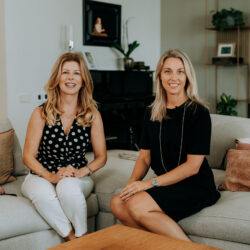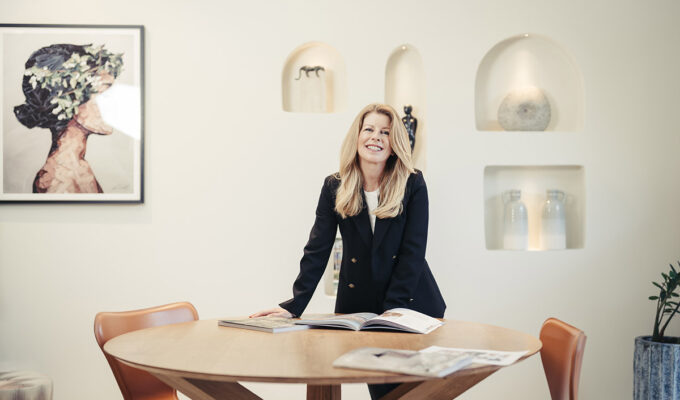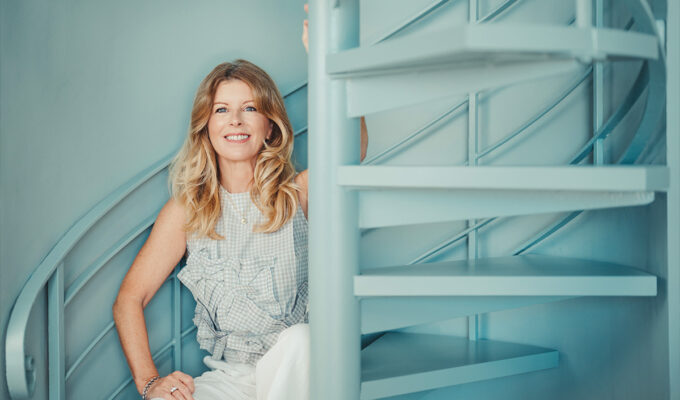
In this episode, Helen sits down with Jasmine Seippel, Chief Operations Officer of Seippel & Seippel Insurance, to talk about life and work on the island she’s called home since birth. Jasmine shares her story of growing up in Mallorca, studying abroad, and returning to lead her family’s thriving business with warmth, determination and heart.
From building long-term client relationships and empowering a loyal, mostly female team to balancing leadership with motherhood, Jasmine’s perspective is both inspiring and refreshingly real. Discover how she and her husband are raising their twins in a small village near Andratx — and why, after all her travels, she still believes “Mallorca is magical.”
When & Where Can I Listen?
The Mallorca Living Podcast launched on April 9, and new episodes will be published bi-weekly.
You can listen and watch on:
▶️ YouTube
▶️ Spotify
🎧 Apple Podcasts
🎧 Amazon Music
Join the Conversation
This podcast is for you—and we’d love for you to be part of it.
📬 Got feedback?
💬 Want to suggest someone for us to interview?
💡 Have a topic you’d love us to explore?
Transcript
Meet Jasmine Seippel
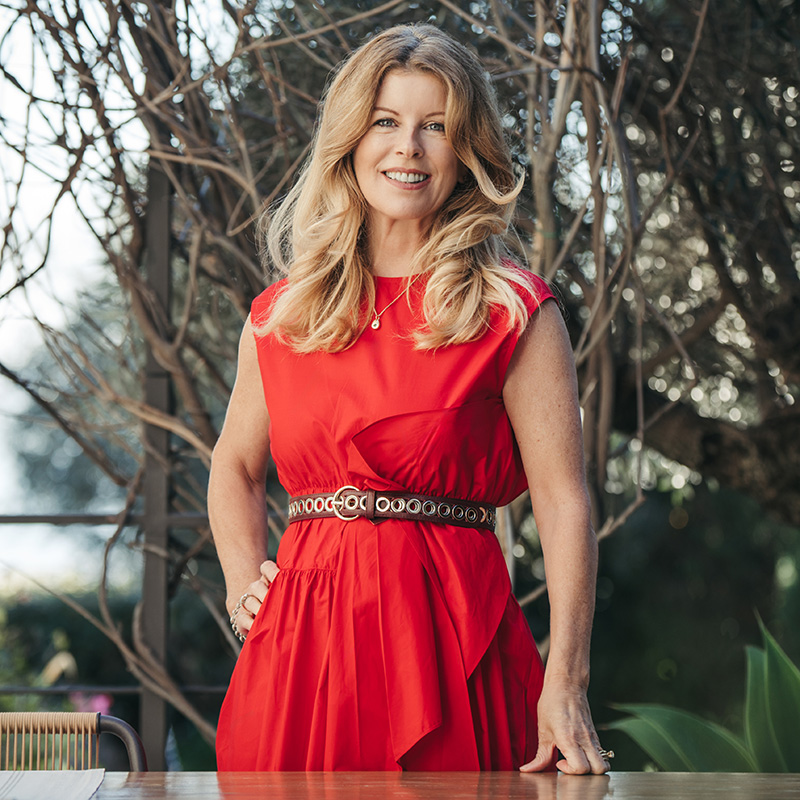
Hello, I’m Helen Cumins and this is Mallorca Living, a space dedicated to those who are dreaming of making Mallorca their home. Today I’m here with Jasmine Seippel from Seippel & Seippel Insurance. Jasmine holds the position of Chief Operations Officer, and we’re going to find out about her life growing up in Mallorca and running a business.
Jasmine, you’re very welcome. Thank you so much for being here. It’s a pleasure to have you.
Thank you.
We know each other a long, long time. I actually know your mom and your dad, I think for nearly 20 years or more. I feel we’ve always had a very nice connection. So, can you tell me a little bit of your story about your connection to Mallorca and growing up here?
Growing up in Mallorca & International Family Life
So, my whole life. I was born in Barcelona, and when I was about two weeks old, my parents moved permanently to Mallorca and I grew up here.
Okay.
So, I have spent my entire life living here in Mallorca.
Well, many people would say that’s idyllic. It’s paradise. How did you find it?
I think if I can do the same for my children, I really hope that they can have the best and the same upbringing personally.
Well, that’s the best endorsement. If after growing up here, you want to give the same to your children, then I think Mallorca is magical.
I think it was a dream as a child. I went to school here until I was 13.
Which school did you go to?
Queens College.
Okay.
Yeah, which follows the British curriculum. Obviously, we’re in an English-speaking household. My dad’s American, my mom’s Danish. There weren’t that many English schools or international schools as they call them nowadays. So, I went to Queens until I was 13.
I would like to say Queens, I think at that time and still today, has an excellent academic reputation on the island.
Right. One of the best actually.
Yes, I think so. Was that your finding too when you were at school there?
Yeah, for sure. I mean, it opened many doors. It gave many opportunities, and the fact that back then you could actually study in English was obviously a plus.
And did you learn Spanish at school as well?
I think I learned more Spanish in my hometown, growing up with locals.
Which was your hometown?
We had a house in between Andratx and Port d’Andratx, so the Andratx area. I learned more Spanish with the kids on the street; there weren’t that many foreigners.
And Mallorquín? Did you speak Mallorquín? Do you speak?
No, I don’t speak Mallorquín. I understand it. I am very shy speaking it. So, no.
But your husband, I believe, is Mallorquín.
My husband is Mallorquín, yes.
What about his family? When you spend time with his family, are they all speaking Mallorquín?
They all speak Mallorquín and I can follow the conversation. Yes. I follow it, but I am answering in Castellano.
Exactly. But it’s a big bonus, having Mallorquín here in Mallorca. Especially when you do business, right?
For sure. I mean, every language is a bonus. As many languages as you can get as a young child, the more the better.
And do you speak Danish?
I don’t. You don’t? I don’t.
I will blame my mother for this. She tried teaching Danish to my sisters, and then when I was number three, by the time I came around and she had given up on my sisters, she didn’t even try with me. So yeah.
And do your sisters speak some Danish then?
My elder sister… she doesn’t speak. She understands maybe a bit more. At least she says she does, but no, not really.
Okay. Very good. So, at 13 you headed off to boarding school. And where did you go?
Schooling in Mallorca & Move to Boarding School in Oxford
To Oxford. I went to Oxford.
And how was that experience?
Great. Great. I mean, maybe 13 was a bit young, but honestly it was an experience that I would have never had here. It was a school which had incredible facilities, all the activities that you could dream of. You could learn anything really that you wanted. So, it was a great opportunity.
And did you find when you were in Oxford that the basic education you’d received here up to 12-13 was kind of at the level where you needed to be for Oxford?
I struggled the first few months. I struggled.
Why?
I think primarily because the education here was maybe a step behind, as they were also focusing on teaching Spanish children the English language. I mean, it was good, but obviously you can’t compare it to a private school in Oxford.
Okay. So you finished Oxford and then where did your journey take you?
Gap Year & Returning to Study Tourism in Mallorca
Finished Oxford and then I took a gap year as one does. I worked for half of it and then I traveled the world.
Fantastic. And would you recommend that experience?
Definitely. Yeah, definitely.
Did you go with a friend?
Me and one friend.
And you traveled the world and then you decided to study here in Mallorca, right?
Yes. So I decided to come back here and I studied at the Balearic Islands University. I studied Tourism Management.
And how was that?
Very good. Very good. It was a life-changer for me because obviously I had done all my studies in English, and then all of a sudden I was studying in Spanish. It was challenging at first, and I had never done anything like it, but it was great.
Yeah. And the university here has a wonderful reputation for tourism management.
No, so many of the hotel directors you meet in hotels on the island…
My parents had always pushed me to go out and see the world and travel. But then when looking at universities and analyzing which was the best, it happened to be here.
Okay, great. But also the fact that you’d been away for five or six years probably meant you wanted to come back and reconnect with your family and so on.
Yeah.
So, tell us then, after university, where did you go?
Career Switch: From Hospitality to Family Insurance Business
After university, I did a postgraduate Master’s degree in Hotel Management in Marbella, which then led me to a management internship in London. After that, I decided once again to return to the island and completely changed my career path, starting in the insurance world with my dad.
So before we start to talk about Seippel & Seippel, tell us a little bit about your mom. I’ve met your mom and she is a very charismatic, dynamic person and she’s an award-winning entrepreneur. So would you say she’s played quite a role, been a role model for you?
Influences from Her Entrepreneurial Parents
Both parents, obviously, because both are entrepreneurs, have been very, very hardworking throughout my entire life. Of course, we’ve had our beautiful family moments, and they have definitely raised me, I would say, in the best way possible, providing all the values that you would want. But, my mother… yeah. She worked very hard for many, many years, many times in sales, as a business owner, across different industries over many years.
Your mom has a great attitude. It’s real like, “yes, of course.” If she thinks it, she can do it, right?
She really does. She’s one of these people where you meet her and it’s just very uplifting. And she really is charismatic.
And your dad, he is also very charismatic and a great communicator.
Yeah.
So, growing up with them has been fun, is all I can say.
It’s been fun and probably a big influence, right?
Yes. Yes. I remember my first interviews. When you go to these interviews in the hotel world, they always ask you, “Oh, who’s your role model?” And I would definitely answer many times, my parents. Explaining how they would wake up every morning and how they would get ready, and you could already see it in their eyes. They were already concentrating, they were already thinking about where they were going, what they were going to do, how they were going to conquer the world.
So how has that influenced you in your daily life today as a businesswoman?
I’m not one to sit around and wait for it. I am definitely someone who has an ambition, has a goal. And as you said, my mother, yes, she says she can do it, she’ll do it. She’s learned anything she’s put her head to really, even in older years. So I think I’ve definitely watched that and seen that and taken that part with me.
I’m interested to ask you, do you feel Danish, American, or Spanish, or none of the above and something else?
Cultural Identity: Spanish, Danish & American Roots
My heart is Spanish, I would say, because this is my home. Mallorca, Spain. I’ve got a very deep connection here. The traditions at home, even the ones that we have with our children, are really Danish. Yes, but they have a lot of rituals and traditions and we do them religiously every year. So, Christmas is all about Danish. We have a Danish flag on the table at birthdays. So, I’m waiting for the day for them to ask me why we have a Danish flag on the table.
Your children?
Yeah.
That’s really good. And then American is very, very special. We spent much time traveling to the States when I was growing up, and now we’re doing the same. So we go there once a year. So we’ve got a good connection to America, and that’s where my sisters live.
Okay, so both of your sisters live in the US. Very good. So you’re the only one that stayed on the island long-term.
One of the reasons you stayed on the island, as we said, you’re married to a Mallorquín. So tell us, how did you meet?
Meeting Her Mallorquín Husband & Life in S’Arracó
How did we meet? We met through common friends locally. At the time, he didn’t actually speak English.
Oh, really?
And I offered to obviously help him with English lessons.
Did he actually want to learn English or was this something you…?
We have now been together 20 years.
Wow, well, coming up to 20 years. Congratulations.
So he’s fluent in English. That’s a good thing. And he also traveled a bit with me, following me on my internships and things. And now here.
Okay. And he has his own construction company.
That’s right. He’s also a self-starter.
Yes, because one of my friends actually used his company and she was very, very happy with the reform. So yeah, he has done wonders, and I mean, we’re definitely on the same page in terms of promoting just first-class service.
First-class service. So that brings us nicely to talk about your business, Seippel & Seippel.
Building a Family Business: Seippel & Seippel Insurance
So, you slowly bit by bit have taken over the reins of your business. Can you tell us what makes Seippel & Seippel unique?
As you said, it’s bit by bit. I’ve been working now for 11 years. What makes us unique, I would say, is the service that we provide for the clients. We differentiate ourselves from other insurance brokers in a way by thinking for the client and being there for the client. It’s not just saying it; it’s actually doing it. We have an exceptional team.
So you have how many in your team now?
As of this month, we will be 23.
Wow. In one office or two offices?
Four offices.
Oh, you have four offices. Oh, wow.
We’ve lost… we’re expanding, doubling space on one of the offices. So yes.
Okay. So where are your offices?
In Santa Ponsa we know is the head office. Two in Santa Ponsa. We have another one in Port d’Andratx, and an office in Santanyí.
Okay, you have an office in Santanyí. I didn’t realize that.
Yeah. Very good. So you’re, you know, covering more or less the whole island.
Trying. Yeah. Great. Our offices really are just working points, points of service where clients can come in. But again, how we differentiate: we go out to see the clients in their homes and their businesses to analyze the risks and see what’s actually needed.
One of the things I’ve noticed, because obviously we have our insurance with you, is that you’re kind of preempting all the time. You know, you’re not just saying, “oh, here’s the document for renewal,” but you’re like constantly asking, has something changed? Are you doing other things? Is there a risk involved somewhere that we need to cover?
The moments when we can really do our best is when we have a sit-down like you do and talk to our clients and just listen: understand what are they doing in their life, what phase of their life are they in, do they have a family, are they starting a business, a new investment? How can we help them secure whatever they’re planning?
A lot of your clients are international clients, and they will probably have more than one residence, right? So can you explain maybe from your perspective what impact that has where somebody has multiple homes?
What Sets Their Service Apart & Client-First Approach
Through us, we’re able to insure the world, per se. So if they have a house here or another house in another country, you can insure it all under one policy. The impact in terms of insurance is knowing if it’s empty, or where is the biggest use, where are the most values, things like this.
Okay. And you look at a person’s situation well beyond just their main home because you also do the lifestyle.
Yeah. We do all the private lines. We do, starting from the car to the house, health insurance, life insurance, yacht insurance—which is a key one here in Mallorca. Then we also do the professional side, which could be from the small office to larger industries such as hotels or vineyards.
And do you get a lot of business through referrals after all these years?
Building a Referral-Based Business
I would say about 99.9% is through referral. It might come through an ad as a backup or something, but everything is recommended.
Okay. So it’s people coming to the island saying, “I need to insure my house or my health,” and then people are saying, “Okay, go and see…”
In a way, you may feel you have a lot of competition on the island, but I actually, as a consumer, don’t feel you have a lot of competition because I think you’ve kind of separated yourself somehow from everybody else. Is that just my perception? What do you think?
I agree. It’s true. It depends. You can maybe find a competitor that only does one insurance company or one line of insurance.
And just explain to us what is the difference for people who may not be aware.
Independent Broker vs. Tied Agent: Why It Matters
So, we’re an insurance broker. So, we’re independent. That is the key word. We’re independent. We’re not tied down to any insurance company. We’re not obliged to sell any products. On the contrary, what we do is we make sure that we’re only offering products that the clients really need for the best price, with the most robust cover and so on. We will never sacrifice any coverage to reduce premium. So we will only make sure that the client really takes the right coverage at the best premium we can get.
I don’t know if you knew, but I actually spent 12 years in the insurance industry. My life before I moved to Mallorca, I worked with a company called Norwich Union. I worked in the life and pension side. So, I actually understand your industry a lot.
Yeah.
So, it’s such an important… it is something that people tend to put on the long finger. Right. Somehow people have this idea, “I’ll never die, I’ll never get sick, I’ll never…” They live in this bubble.
Yeah. That’s why I would always say go to a broker who knows you. At the end of the day, our clients become our best friends because we spend so much time analyzing and listening to them: what are their plans, what are they doing, what are their concerns? And making sure that if something does happen, then at least we’ll try to minimize the loss.
Exactly. Yeah.
What is it like for a female running a business, a family business, and taking, in the end, you’ve literally taken the reins from your dad? How has it been with the clients and with the team and so on?
Managing People, Loyalty & Company Culture
So when I started, we were about a team of six or seven. Half of them still are with us since when I started. With the team, fantastic.
Are you predominantly women?
Yes.
We’re the same. Why is that? Why is that?
It’s not by choice of us. I think it’s what is drawn. I think women are interested more in… maybe it’s the still the motherly feel of actually looking after the clients and into the service industry, like serving.
Yeah, that’s an interesting point. When I worked in the insurance industry, women, yes, they worked in the administration side, but in the sales part, sales and marketing, there were very few. With the larger insurance companies, it’s still… there’s some insurance companies which are still predominantly male.
Yes, and it is a very male-dominated industry.
Yeah.
Do you feel it’s changing though?
It’s changing. Sometimes I wonder, actually, when I go to the conferences, you see more and more women. But is it really changing? Do you notice?
I think so. Yeah, I think so.
So women, you feel, are getting the opportunities.
Yeah. I have to say here on the island, though, being an international market, it’s more advanced than the mainland.
Okay.
So when you go to the conferences on the mainland and depending on the insurance companies, where they’re based or where they move their business, if it’s with the international market or the local market, there’s a difference.
Interesting.
What is the biggest challenge of running a business in Mallorca?
Leading a Mostly Female Team in a Male-Dominated Industry
Well, I guess we could mention obviously managing a team, but that’s not just in Mallorca; I would say that’s probably worldwide. Managing a team, managing people, that always comes with its own complications. You always want to make sure everyone is content. We spend a lot of time working, and it’s important that whatever you’re doing, that you’re happy doing it. So, I think as managing the team, you want to make sure that they feel that as well.
So, what do you do to make sure people feel committed and try to retain people? I mean, that’s one of the biggest issues. I have to say, one of the unique things about Mallorca, I think because it’s an island, it is transient. It is more transient; people come and leave. Sometimes it can be frustrating because you’ve invested a lot of time and effort in the training and development, and then the person leaves, not because they go to a competitor, but actually they just decide to take a different journey.
Yeah. With us, it takes about on average 12 months until the training is done.
Yeah, I can imagine.
So first, it might be someone foreign who’s moved to Mallorca. We have to understand how insurance works in Spain: different licensing, different training that we’re obliged to by the Spanish licensing authorities. So, it takes a long time. The language is obviously also an issue. For us, most of our clients are either German or English-speaking, so we would always need German or English, and then we also need Spanish to talk to the Spanish insurance companies.
So it’s a minimum.
Yeah. But it seems to me like you have a very loyal team.
We do. We do.
So what’s your secret? I want to know. I’m sure everybody listening wants to know: how are you doing it? How are you achieving it?
I have actually been asked this many times because we’re very, very fortunate. I don’t know, we find a good match and we cultivate a good relationship, let’s say. I think it’s based on appreciation. I would put it down to appreciating and probably allowing people to grow. I think you give people a lot of rein to do… we’re all in it together. We’re all in it to grow the company, and as long as the clients are happy and we’re doing everything for our clients, as long as everyone’s working the same direction.
Okay. And do you manage to still get in front of your clients, or are you more now in the operations role where you’re more…?
No, I’m with the clients.
You’re with the clients as well.
Okay. So you have a really good team on the ground then behind.
Yes, yes, yes. I do my best to meet as many clients as possible. I want to know who they are.
Yeah. You want to have that connection yourself.
Yes.
That’s beautiful. But I think that would have been very strong with your dad also. I mean, your dad would have had a huge repertoire of connections on the island.
Yeah. It’s all about getting to know as many people as you can really and building relationships.
Yeah. So you’re building a company based on relationship.
Yeah. Well, I’ve always been a huge believer in building long-term relationships. Many of our clients, they started their business maybe around the same time as me, and 20, more than 20 years later, we’re still together. We still have our very, very first client.
Wow.
So, it was an… I don’t know, an old-fashioned… I don’t know if it was a Twingo or something, a car, and we still insure the family and we insure the grandchildren.
So isn’t that beautiful, and is that what’s happening now? Like, your dad would have dealt with the parents, and now you’re dealing with the children or even the grandchildren?
I am dealing with the children or even the grandchildren. We’ve seen… so my dad witnessed—I know the specific client—witnessed the birth of someone who’s slightly older than me, and I’ve witnessed her child being born.
Oh, wow.
So, that’s really… sent flowers twice, which is quite nice.
Yeah, that’s really, really nice. Super.
So how do you balance the role of Chief Operations Officer in Seippel & Seippel and mother of two young twins?
Balancing Motherhood, Business & Daily Life
Because you have a twin, a boy and a girl, six years old now. I mean, having twins, that’s a challenge, right? It’s a challenge from day one. From the moment they tell you you’re pregnant, that’s where it begins.
Was it a shock to hear you were having twins?
Yeah. Yes. Yes.
It’s all with organization, I guess. It’s with a lot of support. I’m very lucky. My husband’s very involved and a great father and partner. And with the children, it’s all organizing a work-life balance really.
Okay. Because you have to go to events and you have to be there for… but you’re very lucky because you do have family support, which I think makes a massive difference, right?
My mother is a very hands-on grandmother. She looks after them several times. So that’s good. And she’s happy with that and they’re happy with that. Yeah, we’re lucky. We’re very lucky to have the family here.
So you’re kind of, as a family, raising your kids and they go to a…
Balancing Motherhood, Business & Daily Life
chief operations officer in Seippel & Seippel and mother of two young twins—because you have a boy and a girl, six years old now. I mean, having twins is a challenge, right? It’s a challenge from day one. From the moment they tell you you’re pregnant, that’s where it begins.
Was it a shock to hear you were having twins?
Yeah. Yes. Yes.
It’s all with organization. I guess it’s with a lot of support. I’m very lucky. My husband’s very involved and a great father and partner. And with the children, it’s all about organizing a work-life balance really.
Okay. Because you have to go to events and you have to be there for them. But you’re very lucky because you do have family support, which I think makes a massive difference, right?
My mother is a very hands-on grandmother. She looks after them several times. So, that’s good. And she’s happy with that and they’re happy with that. And yeah, we’re lucky. We’re very lucky to have the family here.
So, you’re kind of, as a family, raising your kids and they go to Agora.
Choosing the Right School: Why They Picked Agora
Yes.
Which is the same school that my daughter went to for 15 years. So, tell us what’s been your experience of Agora.
So, they’ve been at the school since they were three. So now they’ve just started the first year of primary. So, real school now; it’s becoming serious. Okay.
It’s been perfect. It’s been fantastic, the school.
Why did you choose Agora? Because maybe now you have a lot of options on the island compared to when we were choosing, like 17 years ago.
So, obviously, I know the older schools that were here many years ago, obviously Queens. And when they were just born, I was still on maternity period, let’s say, and we actually signed them up to Queens. We already put them on the list and I said there’s no reason to even look at the other schools; we’re going to do this. Okay.
But when it was time to really make the decision, my husband and I, we said, “Okay, well, we should at least check the newer schools and see what’s out there.” Agora was probably the bottom of our list. It wasn’t even on the radar. But I thought, you know what, due to proximity, it’s close, convenient, why not just let’s go look at it. And when we went to look at it, we also compared it to BIC, which was in Sa Porrassa. The installations really are what blew me away.
Also, the facilities.
Yeah, the facilities. The all-rounded education that they provide was also something that I thought—or we thought—the other schools didn’t offer.
Yeah. But it’s a personal opinion.
Yeah.
And I think when your children grow up in Mallorca, the Spanish, and especially as you are very integrated with a Mallorquín family with your husband’s family, in choosing a Spanish international school, it gives priority—at least equal priority—between English and Spanish. Is that true?
I’m not so sure. I… I don’t know. I wanted the Spanish, really. It was just part of it, but that wasn’t one of the things that drew us to Agora. So, actually, no, I would have preferred the English curriculum.
Oh, really?
Just because that’s what I had, so I could relate to it. And I thought studying in the English curriculum was a lot easier than my time that I spent studying at the university.
Okay.
I feel the way it’s taught is different. Interesting. However, I didn’t know at that moment that the way Agora teaches is all based on project-based learning and lots of presentations and things. So, it’s a modern way.
Yeah.
It was a big factor for us because with Ava, we speak English at home, and we really wanted her to be bilingual in Spanish, which is actually the case. And she also has Catalan, which is very nice. I think having access to… whereas our fear was if we chose an English school, then maybe the Spanish wouldn’t have developed or evolved at the same level that she really has today.
So, I would definitely recommend for all parents looking for schools to always go and visit all of them as many times as needed. Because your perception of what you read on paper or what one person tells you or a website, it’s not good enough. You have to go inside the school and walk around and you get this feeling.
Yeah. And then you know it’s the right one.
Yeah. Or at least to try.
And I think we’re quite fortunate in Mallorca that we have now so many options for international schools.
Yeah. And there are more opening every year. So, it’s kind of now parents really don’t have to compromise. I think you’re going to find that school that’s perfect for your child.
I mean, I went away to boarding school because of the higher education. My parents thought, well, maybe it was best to give a bit more of a push on a higher level of education. But nowadays it’s not necessary, I don’t think so. And you have IB, you have the International Baccalaureate, so it’s available in quite a few schools on the island. So, it’s a good option.
What do you do at the weekends? So, what’s a typical family weekend for you?
You’re talking to a mother of six-year-olds. Birthday parties. Birthday parties. If it’s not social events for work, it’s birthday parties.
And your kids, do they have hobbies?
Yes, they do. They do tennis, horse riding, and football.
Okay.
So, that’s mainly it. And then we do have a small boat that we can go out on as well. So that’s relaxing in the summer.
And you live quite close to Port d’Andratx and Andratx, in a beautiful village called S’Arracó. Can you tell us about S’Arracó because many of the listeners will probably only be hearing of it for the first time.
Living in S’Arracó: Small Village Charm Near Andratx
Yeah. So, no one knows where it is. That is true. I love this little village. It is a small little village. It is about 5 minutes inland from Port d’Andratx, and from Andratx it’s… so it’s just behind and on your way to Sant Elm. So, it’s got the beach another 5-10 minutes away. So, it’s very cute, tiny, nestled away in the mountains. It’s got this art, cultural feel about it. There are many artists who come to S’Arracó to just paint the scenery in the mountains and get inspired. So, yeah, we found a magical little place.
It is amazing, and even the facades—it’s quite French-like. So, it has many facades that have been influenced by the French style, which makes it so beautiful.
Yeah.
So, we ended up there. Obviously, house hunting in Mallorca is complicated when you’re trying to find the perfect family home or your perfect first home, because this is our first home that we moved into straight after getting married. And it came across us; we were lucky to find it when we did. And it’s yeah, it’s just beautiful because you can walk out of the door and in five minutes you’re already walking up a mountain.
Okay. So, are you in a finca outside the village or just outside?
On the edge. So, we’re just on the edge.
So you can walk to the village.
Yes. Yes.
And do you have a little market?
There’s a little market on the weekends, basically vegetables. That’s about it. I mean, the town square is one of the smaller ones. So, yeah.
And do you go to Sant Elm? Where would you typically go? Would you go more to Port d’Andratx or would you go more to Sant Elm or would you go to the beach with the kids? I’m really curious what the lifestyle is.
Port Andratx & Sant Elm: Family Lifestyle on the Coast
I… yes, we go to Sant Elm. There are two places in Sant Elm: there’s the actual beach, and then there’s also the small little rocky cove area which is called Cala es Conills. So, you can go there as well. I have to say, we do not go in July and August. We go out of season.
Okay.
All our beaching time is done usually pre-season. In August we’re usually off the island.
Okay. You’re in America.
Yeah.
So, it’s either staying home, birthday parties, social events…
And when you want to go out for a nice romantic dinner with your husband, where do you go?
Usually, I would say Port d’Andratx.
Okay.
Where you have many options for amazing restaurants. What I love about Port d’Andratx is you have it very nice there because you can have all the sophistication if you want of Port d’Andratx, and there are some very sophisticated, very beautifully presented and dressed people with very nice, chic restaurants. But then if you want the more laid-back, kind of more vintage… yeah, you have all of that in Sant Elm.
Yes.
So, you really can choose which you want. Because both places we go to… the fish restaurants in Sant Elm—some of the best fish restaurants on the island are in Sant Elm, in my opinion.
Yes, and the beautiful view.
Yeah. It’s very special.
Super. And it’s a beautiful, easygoing, relaxed place to be. I wouldn’t necessarily want to live in Sant Elm, but I think to visit, it’s really… Sant Elm is very, very quiet in the winter.
Yeah.
But as a holiday home, as a place to be, mid-seasons let’s say, it’s perfect.
Yeah. Whereas you don’t have the beach in Port d’Andratx. And this is the difference. You have to go to Camp de Mar, let’s say.
Exactly. Which is really packed in summer. There is a tiny, small little beach in Port d’Andratx, which is Caló d’en Pallicer or California, and which is cute and sweet and it’s got the small little beach restaurant.
Yeah. So, you have plenty of options there.
Would you often come to Palma?
It wouldn’t be our first… I think it wouldn’t be our first choice. A few weeks could go by and you wouldn’t necessarily go to Palma. I mean, for work obviously, but…
Yeah. Not for restaurants or shopping?
No. No.
Okay.
Not really.
That’s interesting, because I, living on the outskirts of Palma, I couldn’t imagine living without Palma.
You know, we are concentrated on the southwest little corner. So, if you think, our whole lifestyle is around Portals, Andratx, Santa Ponsa. Yeah. And obviously Santa Ponsa for work.
Yeah. And Santa Ponsa actually offers a lot, too. You have the Son Bauló area where you have everything you can imagine. I mean, people drive from all over the island to Son Bauló to find interior shops and to find a lot of things.
That’s amazing.
Yeah.
Okay. So, one of my final questions is, if you were giving advice to a young family thinking to move to Mallorca, similar to yourselves—business people, young family—what kind of advice would you give them, knowing what you know?
Advice for Families Relocating to Mallorca
I think… we’ve been lucky because obviously growing up here, we’ve known how to maneuver ourselves within the, I don’t know, setting up a life here. I think it’s very important to go by recommendations and people that you trust. Because many times, I know people have arrived to the island and they’ve, I don’t know, hired a contractor or they’ve hired some professional of some sort, and it’s just gone completely haywire.
Yeah. They’ve been disappointed completely, and they’ve even left the island because they said, “this is just…” and it’s unfair because their first judgment on the island is maybe based on one professional who didn’t do the right job or didn’t do what was promised. So, I would definitely say make sure you research, go by trust, go by recommendation of people like yourselves.
Finding Trusted Professionals & Why Referrals Matter
Yeah. And follow those recommendations, because that’s what I find… really, we had clients last week that, you know, they’ve bought a home, their first home in Mallorca, and then of course there’s a whole list of services they need. These people wanted to change their kitchen, and they wanted to do… and even insurance they need, and everything, as you say, to get the life set up. So, it’s kind of getting those recommendations, they’re gold because it’s the difference between having a seamless, great experience.
Exactly. Or having kind of a nightmare. For example, I mean, many people they come here and they go to their bank; the first thing you do is open a bank account, and there you’re offered an insurance. And it’s obviously you’re not going to get the same advice from a bank as you are from an insurance broker. I have to say, they’re only interested in collecting your premium, nothing else.
So, go to a bank for your finances. Go to an insurance broker for the insurance.
Totally. Absolutely. Yeah. And get a proper overview of what you need, not be kind of sold something just because somebody has a target.
And yeah, I completely agree with you on that. And then schools, we’ve already covered that; you said like visit the schools, get to know the schools.
And what about areas? Because it can be… this is one of the things we do: we try to understand the lifestyle that somebody wants to have in Mallorca, and then we match them to the location. Because even somewhere like S’Arracó, it’s not a well-known place, but it could be absolutely perfect for you, depending on your needs, right?
I mean, obviously, but just looking at Andratx, you just said you’ve got so many restaurants, so many different styles in one little area. So, you’ve got the port, which can be all glamour, and then you’ve got S’Arracó, and you’ve got Sant Elm. It’s complicated to find the right area and what you’re looking for. And then you do have people who say, “Okay, I want to live out down by S’Arracó.” But sometimes you get used to island life, and driving more than 20 minutes seems like a very long way. So then you have to move to Palma.
Yeah. Closer to Palma, depending. Obviously, if it’s a young family looking for schools, definitely go around by the schools.
Yeah. Be close to the schools, because of the traffic, for sure.
Yeah. Yeah. Great.
Before we let you go, Jasmine, I want to ask you our quick-fire questions. So for you, which is your favorite?
Quick Fire Questions
Beach or mountain? Oh… maybe it depends on the time of year. I mean, I guess beach. I have to stay loyal; I’ll say Sant Elm. But with mountain… okay.
Well, it’s just choosing which one you prefer. Do you prefer a beach or do you prefer time in the mountain?
Mountain. Mountain.
Okay, great. But you have lots of mountains very close to you for walking. Sunrise or sunset?
Sunrise.
Summer heat or winter calm?
Winter calm.
Siesta or fiesta?
Fiesta. Fiesta.
Good. I was thinking, as a mom with young kids, maybe you need a siesta.
No. No. Yeah, probably. But no.
Pa amb oli or ensaimada?
Ensaimada.
And north coast or south coast?
Oh, let’s say north.
North coast. Okay, north coast is the winner.
Brilliant.
Well, thank you so much, Jasmine, for being here. It’s been a real pleasure to hear a lot about your lifestyle, because of course we know each other through business, and it’s really great to hear all about your life here on Mallorca and growing up and so on. I’m sure it’s going to be very interesting for our listeners. So, thank you so much, and many years of continued success with Seippel & Seippel.
Thank you.
Address details