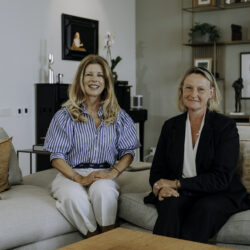
In this episode, Helen talks with Katja Lebelt, founder of Can Cavall Blau — a unique finca in the heart of Mallorca where polo, wine, and community come together.
Katja shares her inspiring journey from a thriving career in Berlin’s theatre world to following her heart and creating a new life on the island. From breeding polo horses and crafting small-batch bitter orange amaro to hosting open farm tours and Sunday polo events, Katja reveals the passion, challenges, and rewards behind building her dream.
If you’re dreaming of moving to Mallorca or simply curious about slow living, this conversation will inspire you to embrace change, follow your passions, and create a life you truly love.
When & Where Can I Listen?
The Mallorca Living Podcast launched on April 9, and new episodes will be published bi-weekly.
You can listen and watch on:
▶️ YouTube
▶️ Spotify
🎧 Apple Podcasts
🎧 Amazon Music
Join the Conversation
This podcast is for you—and we’d love for you to be part of it.
📬 Got feedback?
💬 Want to suggest someone for us to interview?
💡 Have a topic you’d love us to explore?
Transcript
Arriving in Mallorca
Hello and welcome. I’m Helen Cumins and this is Mallorca Living, a space dedicated to those who are dreaming of making Mallorca their home. Today I’m here with Katja Lebelt. We’re going to speak about her journey from Germany to Mallorca.
You’re very welcome, Katja. Thank you very much for being here. I’m so happy to be here. I’d love to find out more about your journey from Germany to Mallorca. Can you tell us a little bit about how you came to live here?
It was a long journey because formerly I was living in Berlin and I was working as a costume and stage designer. I was working a lot. Then a friend of mine said you have to do some vacations. She booked Mallorca and I said no. It was just the image.
What image did Mallorca have in Germany? You have the image that’s overcrowded. And then she booked and said you will see. And I came and I was completely in love.
When was that? I think 2003. It was fantastic. The colors, the Tramuntana. I didn’t expect that. I was so in love with the island. It was love at first sight. I came several times just to visit.
Making the Move Permanent
Then there was the first time that somebody asked me to come here permanently with the horses but at this time I was very focused on stage and costume design and I didn’t do it.
So the horses were a hobby? Your income came from your stage. Yes. Then I think 15 years after, with my husband together, we were again thinking about what could we do for having some holidays from our job. He’s a veterinarian of horses. At this time we had a farm in Germany. We had 24 hectares of land. So an agricultural farm. But again there were not really holidays.
That was the point where we said where do you want to buy a house. We said if this is the point where your heart is it has to be Mallorca. And then we said first no we cannot just buy a house in Mallorca. That’s not possible. And after like three months we did it.
How was that process? I think it just follow your heart. We had a little son and we said where has he go to school. We should have bought something in Berlin if you just think about your life very straightforward but the heart was not there. So we decided to buy the house in Mallorca. We didn’t think about moving here permanently. It was just a house for vacations first.
The Deciding Factor
Then some years later our son had to go to school and we had to make a decision. Because then you cannot travel on and off. We looked to different schools and we went to the Montessori school of Mallorca.
The director of the school said to us yeah come on. Your son is seven. He doesn’t speak English. He doesn’t speak Spanish. He doesn’t speak Catalan. Only German. He shall change the land. He shall go to school. He shall go to a school which is not German speaking. So perhaps give him a little time before you do this and come now. This school started in September.
We were sitting in this office. It was March. You have to come now to give him the time. And we had this big farm in Germany. We did it. We just moved on and off. One of us was always here. And we did the move to Mallorca.
When was that? This was eight years ago.
Choosing a Location
What part of Mallorca did you choose to make your home? We are living actually in Sencelles. At the beginning we were starting looking for the house we dreamed of a house in the Tramuntana.
Sencelles is more or less in the middle of the island in the center. Do you have views of the Tramuntana? Yes, we have the total panorama of the Tramuntana.
But a cousin of my husband lived at this point 25 years here on the island. And she said to us if you have a son going to school, if you want to go to Palma because you are a theater girl, so you want to connect to the cultural part and you’re living somewhere up in the mountains and every time you have to go down. I would prefer to go to the middle of the island because you are quickly at the airport, you’re quickly in Palma, you’re quickly in the mountains, you’re quickly at the sea. And the life is always the same. It’s not like in summer it’s completely overcrowded and in winter everything is closed.
We have a very normal life in Sencelles and Inca. I love this. It’s very integrated with the local community. That’s what we loved. We feel that we are in the middle of the country really on the countryside but we are quickly in the cities. So we have everything we want and we have this great view of the Tramuntana.
Finding Can Cavall Blau
At the time you bought your vacation home, were you planning to put horses there and to build up what now actually evolved? No, no. It wasn’t the plan. That’s why we have chosen a part of a very old possession at this time where were no trees, no garden. We thought let’s just buy something where we relax and don’t have to do gardening again. No animals, nothing.
And then at the point when we decided that we want to move permanently, we had the problem that we had the horses. So they couldn’t live in this little porch. So we were starting looking for another plot to bring the horses. But it wasn’t planned from the beginning.
Directly it’s 5 minutes away. The plot where is now Can Cavall Blau it’s 5 minutes from our home. So we bought it. Also this was not the plan to install all the things we are doing now. It was just for the horses. It’s four hectares and it has a well so it has a lot of water and it has the water rights which is super important. It has a lot of old oak trees so we have shadow. That were the most important points for the horses to buy the farm. All what followed was a process. It wasn’t planned.
Developing the Polo
Tell me what has evolved into Can Cavall Blau today. We started with the horses and these are polo horses. We had already a polo horse breed in Germany. We were breeding. We brought a stallion as well. So all the horses which we have on the farm it’s our own breed. They are all raised up in our farm. Now we have the first foal which is born in Mallorca. She’s called Catalina because it’s very Mallorcan.
What is the polo scene here in Mallorca? The polo scene is a little bit tricky because it’s very private. It’s not very open. We also in Germany had a polo pitch and we always said we are playing grassroots. So we are playing polo like you do it in Argentina and the campos. So it’s very family based. It’s very rural. It’s very natural. We are playing on arena here on sand because we think it’s a very sustainable way to play. It’s very fun for the audience as well because you can see the horses and you can see the ball.
Is it smaller? Yeah much smaller. I have been at a polo match here in Mallorca on a green field and it was spectacular. But it’s like what you say, it tends to be more private events. Why is that? There’s a lot of, I don’t know how to describe it. Some people think if you want to start polo you have first to buy four horses. But this is not true. You can play polo with one horse. Sometimes it’s a bit like a closed shop. The people are playing and there’s only tournaments who are open for the people and tournaments actually are not taking place in Mallorca. Only on the private farms. I think it’s not open for people. There’s something like oh can we go there? It’s very exclusive. That’s what we want to open. Say no come on every Sunday we are playing. Let’s have a look to the horses. Let’s have a look to the training.
So you do this event every Sunday? Yes every Sunday we are training the horses and we’re doing Amaro hour where we open our little tiny tasting bar and the people can try our wines and try our Amaro.
Do they pay to go there? No. You just have to do a reservation because we have not so many parking spots. So that’s why we really asked to do a reservation.
What time is it at? We open at 6:00 now in summer. In winter we open earlier like 3:00 or 4:00. It depends on the temperatures.
People can register on your website. Yes they can on the website you can find the link. There’s a page for tastings and then you can see Amaro hour. Then you do a reservation and then you can come and we present our products.
Who Plays Polo
Who is actually playing the polo? It’s friends. How many are on each team? In the arena we are playing two versus two. So it’s only four horses. And grass you play four versus four. So you have always eight horses because it’s much bigger.
The people who are playing are all living here on the island having their own horses or they’re riding our horses or they’re bringing their horses. They’re from everywhere. They’re from Spain. They’re from the Netherlands. They’re from England. But they are all living here. We are not.
What we are creating and I think this is a big step is that we are creating something which is connected to the horse community because there’s a lot of horse people on the island for jumping, for dressage, for trotting. So there’s a lot of interested breeders. And so we want to connect these people with the horse community rather than exclusively polo. That’s what we want to focus on. People who are riding other styles of riding try polo and that’s amazing.
With polo you are playing in a group. You are in a team. You cannot play alone. So it’s a sport where you communicate with other teammates. So it’s a lot of fun. Other people from other horse sports they like to try because if you are a good rider you can. It’s just a play with the horses.
How long is the event usually? Normally it takes like till 10. Because then it’s getting dark. Now in summer time so kind of from 6 until 10. People can go along at whatever time suits.
Creating the Products
Tell me about farm life and how the products that you are now offering have evolved. This was also a journey. We arrived and this finca was abandoned. There was nothing. We bought it and then we checked what is there. There were some old loquat trees of this very special fruit from the island and there were old bitter orange trees.
We said what are we going to do with bitter oranges? There’s this jam you can do. But we were thinking shall we do a lot of jam? Did you have a lot of these? There were already I think eight or ten. They are big. They are old.
And then we tried to figure out what we can do else and we developed a recipe for an aperitivo. During three years, every friend of us had to try this one and this one. We tried it with grapefruit and mandarins. And then finally the bitter oranges made it different varieties from the farm.
Then we were looking who can produce it with us together because you cannot do it in your home kitchen. What are the ingredients? More or less it’s the pure fruit and some alcohol and sugar. So there’s nothing. There’s no additives. It’s not filtered. It’s very pure. It’s the fruits. Sometimes they are more sweet.
So is it always going to taste different then for each year? Yes, a little bit. We can only, like a wine, we harvest it once a year and then it’s done. So then it’s the Amaro year 24 which is now sold out and we’re waiting for the bottling of 25.
How many bottles are you producing now? Now it’s 3,000. It’s still very small but it’s increasing. We planted more bitter orange trees.
How do you drink it? How do you recommend it? It’s different options. Just on the rocks with ice. That’s super fine. My favorite. But also you can mix it with cava and a little bit of soda.
On our website you can find a lot of recipes because we have the Amaro in different bars here in Mallorca, in Germany, but also in Napa Valley in California.
You got a distributor to bring it into the US. It’s amazing. We know over all the US you can buy it which is super special. We have a lot of American tourists coming here now. So if they enjoy the aperitivo here, they can enjoy it in America also when they go home. We had somebody from New York just writing us, I tasted it in Mallorca and I love it so much. Can I get it? I said yes you can.
So the different bars they invented recipes and they are all on our web page. So you can see what you can do. A breakfast martini you can do. So they offered like a cocktail almost. If somebody wants to try it, they go in and ask for Amaro.
Amaro is bitter, right? In Spanish? Yes. The story was a little bit that we wanted to do an apero, which is something in Swiss and France. Like a tapas, like a vermouth time. An apero is very common there. And the apero has an accent on the E. Then we talked about this and made some samples. And then everybody said yeah but this is Aperol. We didn’t think about this. We just thought about the French thing. So we did a combination of amargo and this accent of the apero which is still there in Amaro. So this word is not existing. But it’s very nice because when you search it online actually your drink comes up. You see that it comes from this verb. It’s bitter.
Expanding the Farm
We made now a jam of the loquats because there was also these trees. Then we went further realizing that the grass for the horses doesn’t grow here like in Germany. So we had this big huge field for them and there was two weeks of grass and the rest of the year it was stony. This was a former vineyard.
We thought this doesn’t make sense to grow grass on this for the horses. So why not planting a little vineyard. That was the next step we did. Then we planted some olive trees and some almonds. So finally we planted about 400 trees at the farm in different varieties. So it’s not a monoculture. Every time is something flowering and different fruit trees. The whole farm is a little bit like a big garden.
Sounds amazing.
Open Farm Tours
And can people visit? They can visit on this day of the open event which is a Sunday. But also we invented very new the open farm tour which is Wednesdays. We had the experience that on Sundays with polo and the bar there’s a lot of people and there’s not time to explain all the products. So we invented the open farm tour.
Then we are doing a tour with the people. They start at a little casita and then we go to the loquat trees and everywhere where the trees are or the fruits are they can try the products which are from these trees and then they get the explanation. So they go through all the farm to the horses to the olives. It’s four hectares. You have a very good explanation about all the different products, pomegranate trees and the vinegar.
So it’s really become like a production farm with all the fruits you’re doing. An interesting thing is perhaps that we are not focusing on one. We are not having only olives, only vine. We’re having all these different varieties.
The production is we are collaborating with the bodega for the wine, with the distillery for the Amaro, with APA which is the association of the ecological farmers of Mallorca for the jam and for the vinegar. Because you cannot build a building for every little production. I think this is a very nice way of producing to collaborate. Collaboration for me is the word which makes also the business interesting.
The Reality of Farm Life
Congratulations. It sounds amazing. You moved from stage production to now having a farm here in Mallorca where you’re bringing so many things to life. Do you sometimes stop and pinch yourself? Sometimes it’s you’re like wow it’s going so fast. Also it’s a lot of work. It sounds super amazing with all these different varieties but in reality it’s that every tree every plant has its own problems. Its own rhythm how you have to work.
There must be a massive learning curve. With understanding all these things and knowing how to maximize your harvest. It helps that we had an agricultural farm in Germany before with the horses and the land, but we only produced our hay. So we didn’t have wine and all these things. So it’s a lot of learning. It’s a nice process of learning.
But there’s also for example at the first year when we had planted the olive trees suddenly all the leaves were not existing anymore. What’s going on? We don’t see anything. No beetle, nothing. Then we asked APA, this association of the ecological farmers, and said yes this is the dociorres. These are beetles. They’re sleeping during the day in the earth. During the night they’re climbing up and they’re eating the leaves. We said what can we do? They said easy way. You take wool from the sheep and you wrap it around the bark of the tree. Easy. But if you have 400 trees, it’s a nice work to wrap around every bark. So this is something of the learning process. How can we do it? How can we manage it?
Living the Joy
I have to ask you Katja, are you living your joy? Yes. I think it is what we wanted to have. I was for a long time also in Germany in between of farming and doing theater and film. Theater and film is very often in dark rooms looking to artificial light, having a lot of discussions about words and colors and costumes. At some point in my life I was missing the natural light and the nature and the flowers and the horses. So it was a process of having both.
The last years I was also working as a stage designer beside creating the farm. This is the first year where I said no I just make a break from theater and dedicate to Can Cavall Blau.
It is such a transition but you’re doing it in a very wholehearted way. When I’m at the farm and you see the horses wandering around and you have the view of the Tramuntana which was the backdrop. That’s your stage now. Having the tastings there, having the people there from all over the world when they’re coming through Amaro hour. We have really local people. We have people from everywhere mostly residents. Then they are talking and there’s an atmosphere of very interesting people. It’s very relaxed. I love this. This is something what I always wanted to create. Bringing people together. Community and connecting people.
You’re a natural at it. Some people if you don’t have this feeling of hospitality and getting people together, it’s actually a strain to do it. But if it’s a natural ability, then I think it just flows. You’re in your joy when you do this.
We’re all different. So in that sense are you living that dream life? You’re using your brain to figure out how do I run this business, how do I make my farm sustainable both from earning a living but also taking care of the land. The business side of it has to be very important also. Absolutely.
Very often the people come to the farm and say you’re living my dream. And I always say yes but look at my hands. It’s a lot of work. It’s every day. If you’re working in the agricultural farm there’s always something. There’s always a pump breaking. An animal is ill. The water system doesn’t work. It’s not like oh I’m going on my holidays now for two weeks. It’s not going to happen. This is the reality.
A lot of people don’t know anymore because they’re living in big cities and they have no connection to the real nature. They have a picture perhaps from nice coffee table books or from magazines. How it should be sitting with a cup of café con leche in the sun. But it’s everything that goes behind that. This is something we also try to communicate to the people.
There was one of our guests I think two weeks ago. He was from the US. He came to me and said I love it here because it’s so real. It’s so real. You are real. Everything is real. It’s not made for us. It’s real. And that’s what we always say. It’s a real farm. There’s machines. It’s not everything is proper. It’s a working place. It’s practical.
So I would say I live my dream. We are super happy if Amaro goes through the world and everybody’s drinking it to support the farm because this is the link where every bottle supports that we can have sometimes a vacation.
Sustainability and Business Timeline
Is it sustainable financially to do it? I think it’s a process and you have to be aware that this is not happening in half a year or one year. You’re building up a farm like this.
It’s also an interesting thought when we started to ask for permissions for a building. Our agricultural engineer said no perhaps first plant the trees. And we said well normally you build first the house and then you do the garden. He said no but you need the trees to get the fruits. So during the time when you are waiting for a permission for the house the trees are already there and they can grow. That makes a lot of sense.
It’s completely different than building a house and doing afterwards the garden. So this was a very good advice to say if you want to do something with plants, first do the plants and then start thinking about all the things of permissions for the house.
I think this is an advice I would always give to the people who want to do something from the business side. Just look first and don’t do a plan on a paper. Just listen to the people what they say to you here.
How long are you talking about from when you start a project like what you’re doing until it becomes financially viable? I think this depends a little bit on the project. But we really started the project as a business I would say three years ago. But with a very slow production of Amaro. It was just a try if it works.
And we opened the farm for the public for the Sundays end of July last year. So it’s very young. That we are growing. This is a very young project even if we bought the farm eight years ago. We planted the trees four years ago. So it’s not that we planted them eight years ago because at the beginning it was just a private place for the horses. That’s what I said. It’s a long journey.
From buying the plot, looking what’s there and then inventing the idea what we could do and develop it and then open the farm for the tasting last year. That’s the journey. And I think if you want to do it properly, you have to give yourself some time to do this. So it’s like a five year in the short term and a 10 year perspective really to build it up.
And I think with wine, I don’t know anything about wine production, but I guess it’s quite similar. There’s so many bodegas on the island now, and you really wonder if it’s sustainable and how long people need to think about before they plant and then the production and then getting it out to market. It’s a really long process.
Yeah, it’s a process. In the first 3 years the grapes are just growing. You don’t have any harvest. Then then comes the first harvest and the grapes are still young. So we are happy with our wines. We just had the second harvest last year.
The wines from last year are half sold out and the first wines are all sold out very quickly. But it’s a very small production. It’s not thousands of bottles. The maximum we can ever produce is 4,000 bottles when the vineyard is really packed with grapes. And so it’s very small and the people love it at the farm. They buy it there, taste it there and buy it directly.
The Complete Experience
What I love about your concept though, everything is grown there. The people come there, they try. It’s a whole experience. It’s not like you go to a supermarket and you buy something and you don’t know the whole story behind it. It’s like with your project, you live it.
Yeah. Absolutely. And you sit in between in front of the grapes of the wine you are drinking and the horses who are a big part of the farm and the name as well. Can Cavall Blau is the name of the farm.
And so this is also a bridge between art and farm and horses because there’s this very famous German painter Franz Marc who did the painting the Blue Horse. And Blau is the word blue in between German and Mallorquin. That’s why we have this Blau. It’s the same word.
So the horses are a big part as an agricultural part but also the artistic part. A big part because a lot of people who came first as guests were colleagues and people from the artwork. And then they invited more people and then they connected with the polo players. So this is the crowd which started all the project and started coming to the farm.
It sounds like such a beautiful project. I really look forward to going there and trying it.
Business Challenges in the Countryside
I want to ask you now about the business side because I have over 20 years experience of running a business in Mallorca and I know it can be challenging and certainly when it’s a little bit dependent on licenses and all these kind of things. What is the whole business side of it been like for you?
I think it’s a really complicated process and also this takes time. We were just waiting for two and a half years to renovate our terrace. You cannot even just do it. You have to ask for permissions.
Especially in the countryside, the permissions are not easy to get because there’s a lot of regulations. I can also understand it that it’s like this because otherwise everywhere would have been houses. I have a kind of understanding that these regulations exist and they’re necessary. They are super necessary.
We are farmers but we had to prove that we are farmers. If you want to build a house in this plot we are having. There’s two options. One option is you have only one house and you destroy all the other buildings which are already there. Or you have to be agricultor preferente which means that you are a farmer and you prove a certain amount of money that you get from your sales and also you have to prove certain amount of work units that you do at the farm.
Every plant has these called UTAs where you prove that you take care of the plants so that you are a real farmer. This is the first step you have to do if you want to do a renovation at a plot like ours where we had three buildings at the beginning, very small ones. But if you want to renovate them you have to prove first this whole process of being agricultor preferente.
So what I would say is that if you want to have a business in the countryside it’s a lot of paperwork and it’s a lot of things where you have to research and to talk to the people. Listen to experiences and have the best people at your side to help you.
Who was able to help you? For the farming and for the whole process this was an agricultural engineer who has a lot of experience in building bodegas or farms here on the island. And so he gave us advice how to do this. But it’s not done with engaging somebody and say, “Okay, you do it for me.” No, you have to go into the topic and just read it and figure out what options.
I guess you can buy a farm, a finca that’s already with all this paperwork. But you were obviously in a process of converting it into a farm.
Yeah. For sure. If it’s already an agricultural farm and then you have all these permissions and it’s ready reconstructed, no problem. But for us it wasn’t. It was abandoned. So there was these houses who were not in use anymore and some of them were not legal. Now everything is legalized. But all these processes are taking time.
Did you build new or you just took the buildings that were there and renovated? What we did till now and where we asked permissions for was to renovate the buildings who were there.
The very exciting project we are having is for the future. We are in it already. There’s a ruin at the farm of a little house and we are working together with some architects from Mallorca. They are called Ona Lios and I can deeply recommend them because they are amazing.
We want to renovate and extend the building with the earth and the stones of the farm. So it will be a building out of the farm and a very sustainable building. That’s the future.
It’s beautiful. And what will you do with that building? This will be where we live because actually we are not living at the farm. We are still living in the vacation house which is 5 minutes away. So we are always going back and forth.
And you would like to live there. Yes. The best would be is to have a private place there with the horses and everything to be permanently there, but now we’re not living on the farm.
Advice for Newcomers
That’s really interesting. So for somebody who is planning to move to Mallorca, what advice would you give them if they were also dreaming to have a lifestyle like what you have, a business and lifestyle?
I would say learn Spanish. That’s the first step. I agree. Totally. Absolutely. And I would also say to know Mallorquin is very helpful if you want. It’s not necessary though because it does come up a lot about people.
It’s a really nice to have but if you speak Spanish it’s actually more than enough. That’s what I think. But it’s nice if you want to connect to the community.
If you’re really great at languages, you already speak Spanish and you want to then go into Mallorquin. Nothing. It’s so wonderful. There’s nothing nicer here.
But I just don’t want to frighten people that they might want to think, oh my god, I don’t have to learn just one language. I have to learn two. You don’t. But the kids do actually if they go to local schools here because they learn both, which is great.
Yeah. And also this is something where you say the kids go. My son when he came, he didn’t speak any of these languages. Now he’s speaking all of them fluently without sitting there over learning them. They get it naturally.
And that’s amazing because I think if you speak Spanish, German, and English fluently, it’s amazing. The island is your oyster because you can do everything.
Your son, is he still attending the Montessori school in Santa Maria? And how is he adapted from moving from Germany to here? Now it’s eight years.
It’s funny because sometimes he’s missing something from Germany. Now actually he’s in Germany to do an internship at the hospital in Berlin.
How old is he now? 14. So and he wanted to look in another world than horses, wine making, theater. He went a lot with me to the theater productions and was very excited about it. But now he wanted to do something super different and goes two weeks to work in a hospital in Germany.
Sometimes he’s missing some things. Very simple things. The forest for example and the dark forest of Germany. It’s not existing here. Or the cold. Sometimes he wants to have some snow.
But I think the advantages of growing here perhaps you realize them a bit later because he doesn’t realize that it’s a gift to have all these languages. He just speaks them. It’s just normal. He doesn’t realize it’s a gift to have the mountains, the sea. He’s sailing a lot.
So as a kid you take it as it is and it’s nice, but you don’t see that when you look back.
I have exactly this experience because my daughter is 19 now and since she went away, left the island to study, oh my gosh, when she comes back here now, she’s like, “Oh, I appreciate everything.” They grow up with it and it’s their home. So they don’t know any different. But when they move off the island and then they start to appreciate the lifestyle here.
And I think there’s something which is very interesting also for the business part. There’s a generation of people they are now like 35 between 40. They raised up here and they went to study somewhere else in the rest of the world. Built up their first experiences in business and now came back to build up business here.
There’s a lot of graphic designers, designers in general. There’s the two film festivals which are great. There’s some little startup like bakeries, UK bakery. There’s a lot of things going on which is not only connected to tourism. Palma is amazing and it changed a lot. This is a positive thing.
Conclusion and Quickfire Questions
I think that’s really positive and this is exactly what we try to cover a lot in the Slow Living Magazine. All these stories of all these innovative businesses that are sprouting on the island. It’s really to support them because it adds so much to the experience of Mallorca exactly like what you’re doing.
You’ve created something which didn’t exist before and it’s a new experience. If people want to have this farm experience they can go for a tour at your place on a Wednesday or enjoy the polo on a Sunday.
So I think it’s wonderful what you’re doing and I’m so happy that you could come and talk to us today about it. Before you go, I want to ask you some of our quickfire questions. In your case, I’ll be very interested to hear the answers because it might be a little bit different.
If you’re thinking beach or mountain, which would you prefer? The view to the mountain. I was really.
Sunrise or sunset? Sunset.
Summer heat or winter cold? Winter cold. It’s funny when we ask that in the heat of summer people say, “No, I want the cold.”
Siesta or fiesta? This is a difficult one. Really difficult. You like both, right? I think a nice fiesta, with a siesta afterward sounds good.
Pa amb oli or sobrasada? I’m more on the salty side. So, pa amb oli.
North coast or south coast? North coast.
Thank you so much Katja for being here with us and I wish you a lot of continued success in what you’re doing. I encourage anybody who hasn’t visited yet your farm Can Cavall Blau to look up your website, check it out and book one of your events and have an amazing experience.
Thank you so much for having me and having this wonderful talk. I can give all the things back because what you have built up is amazing and brought me to a lot of things here on the island.
Thank you. Continued success. Thank you very much.
If you’re dreaming of making Mallorca your home, let me invite you to use our property buyers agency service. With our service and our help, we can guide you to the right location that fits with your lifestyle. We’ll also help you find the perfect home that fits with your dream.
Contact us today for an online consultation or book an appointment and come and see us in Palma. We would love to help you make your transition to Mallorca a reality.
Address details